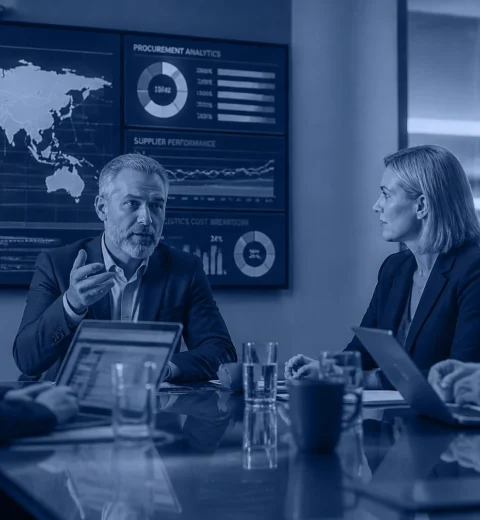

In highly competitive, capital-intensive, and safety-critical manufacturing environments, the responsibilities of the Chief Procurement Officer (CPO) have evolved beyond traditional cost containment. Modern enterprise procurement leadership requires relentless operational discipline, advanced process optimization, and strict governance awareness. As global supply chains face persistent volatility, forward-thinking CPOs are looking toward artificial intelligence and autonomous negotiation systems to drive scalability, strengthen supplier relationships, and optimize indirect and tail spend without compromising compliance.
We examine how autonomous negotiation platforms are reshaping enterprise procurement strategies, defining the parameters of modern executive leadership, and redefining how organizations secure long-term operational resilience.
The Evolution of Autonomous Procurement Architecture
Traditional procurement workflows relied heavily on manual intervention, sequential approvals, and fragmented supplier interactions. Today, enterprise-grade autonomous negotiation systems deploy advanced artificial intelligence agents that operate end-to-end within pre-defined business guardrails. These platforms evaluate market conditions, analyze historical supplier data, and execute multi-round commercial negotiations at machine speed.

For a CPO, transitioning to autonomous negotiation does not mean abdicating strategic oversight. Rather, it establishes a rigorous operational framework where AI handles repetitive bidding events and routine supplier renewals, allowing procurement professionals to focus on high-stakes contracting and strategic risk management. We observe that organizations implementing these technologies achieve significant margin improvements on addressable spend while maintaining strict adherence to corporate compliance policies.
Governance, Guardrails, and Risk Mitigation
The successful deployment of autonomous negotiation agents depends entirely on the establishment of robust governance frameworks. CPOs must define explicit operational boundaries: including acceptable pricing thresholds, risk tolerances, preferred supplier tiers, and triggers for human escalation.
By embedding these guardrails directly into the procurement architecture, organizations ensure that automated systems operate strictly within corporate compliance parameters. This structured approach eliminates emotional bias in bargaining, enforces regulatory awareness, and provides verifiable audit trails for every transaction.
Strategic Impact on Executive Search and Leadership Competencies
As artificial intelligence redefines operational workflows, the profile of the ideal Chief Procurement Officer is shifting. Organizations seeking executive talent now prioritize leaders who possess a unique blend of technical fluency, data-driven decision-making, and change management expertise.

Conducting a successful chief procurement officer search requires identifying executives who can effectively orchestrate advanced technology stacks while maintaining strong cross-functional alignment. Modern CPOs must demonstrate the capability to design autonomous procurement strategies, interpret complex predictive analytics, and lead digital transformation initiatives across global manufacturing operations.
Cultivating Long-Term Supply Chain Resilience
The integration of autonomous negotiation into enterprise procurement represents a permanent shift in industrial business models. By automating routine supplier interactions and scaling spend coverage across thousands of fragmented categories, CPOs unlock unprecedented operational efficiency.

At Elite Leader Search, we partner with manufacturing and industrial enterprises to identify and place visionary CPOs who master both operational execution and technological innovation. Securing top-tier procurement leadership is essential for organizations navigating complex supply chain ecosystems and preparing for the future of digital commerce.